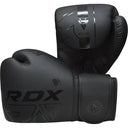
Boxing Gloves vs MMA Gloves: Key Differences
Boxing Gloves vs MMA Gloves: Unpacking the Power Behind the Punch
When stepping into the world of combat sports, choosing the right hand protection isn't just about style—it's about performance, safety, and purpose. Boxing gloves and MMA gloves might seem similar at first glance, but they're engineered for fundamentally different fighting disciplines. Understanding these differences can make all the difference in your training and competitive success.
The Fundamental Design Differences
Padding and Protection
Boxing gloves feature substantial padding across the knuckles and back of the hand, typically weighing between 8oz to 20oz. This extra cushioning serves two purposes: protecting the wearer's hands during powerful strikes and reducing the impact force delivered to an opponent during extended bouts.
MMA gloves, by contrast, contain significantly less padding—usually 4oz to 6oz—with an open-palm design that leaves fingers partially exposed. This construction allows fighters to execute grappling techniques, clinch work, and ground fighting maneuvers that would be impossible with the bulkier boxing gloves.
Hand and Wrist Support
Boxing gloves wrap completely around the hand, providing full coverage and wrist stabilization through extended cuffs and secure closure systems. This design supports the repetitive punching motion central to boxing while minimizing injury risk during high-volume striking exchanges.
MMA gloves prioritize dexterity over complete coverage. The fingerless design enables fighters to grip, control, and submit opponents during ground fighting phases—capabilities essential to mixed martial arts but irrelevant in traditional boxing.
Functional Purpose in Competition
Striking Mechanics
Boxing's exclusive focus on punching techniques allows for glove designs that maximize both offensive power and defensive protection. The rounded shape and substantial padding help distribute impact forces across a broader surface area, protecting both fighters during extended exchanges.
MMA competitions incorporate strikes, but the gloves must accommodate multiple fighting styles. This versatility requirement leads to a compromise in pure striking protection, as evidenced by higher rates of hand injuries and facial cuts in MMA compared to boxing.
Grappling Capabilities
The exposed fingers on MMA gloves aren't merely a design choice—they're a competitive necessity. Fighters need to execute submissions, maintain grips during clinch work, and perform take-downs, all requiring finger dexterity that boxing gloves simply don't allow.
This fundamental difference explains why boxing gloves would be entirely impractical in MMA competition, where ground fighting and grappling represent crucial phases of many matches.
Weight Classifications and Regulations
Boxing Glove Standards
Professional boxing organizations mandate specific glove weights based on fighter weight classes and competition level. Amateur boxers typically use heavier gloves (particularly Olympic boxing at 10oz) compared to professional fighters, prioritizing safety during the developmental stages of a boxer's career.
MMA Glove Requirements
Athletic commissions regulate MMA glove specifications more narrowly, with most organizations requiring 4oz gloves for professional competition. This standardization ensures fair competition while balancing striking power with the grappling necessities unique to mixed martial arts.
Training Considerations
Cross-Training Benefits
Many fighters incorporate both glove types into their training regimens, even if specializing in one discipline. Boxing gloves help MMA fighters develop pure striking power and technique, while MMA gloves allow boxing enthusiasts to explore grappling fundamentals.
This cross-training approach has become increasingly popular as fighters recognize the value of well-rounded skill development, regardless of their primary competitive focus.
Frequently Asked Questions
| Question | Answer |
|---|---|
| Can I use boxing gloves for MMA training? | While possible for striking practice, boxing gloves prevent grappling techniques essential to complete MMA training. |
| Are MMA gloves less protective than boxing gloves? | Yes, MMA gloves offer less padding, resulting in higher injury rates during striking exchanges compared to boxing. |
| Which gloves are better for beginners? | Beginners should select gloves matching their specific discipline—boxing gloves for boxing, MMA gloves for mixed martial arts training. |
Understanding the distinct engineering behind boxing and MMA gloves reveals how equipment design directly supports each sport's unique demands. Whether you're drawn to boxing's pure striking focus or MMA's comprehensive combat approach, selecting the appropriate gloves ensures both optimal performance and necessary protection for your chosen discipline.